• Skip to main content
  • Skip to primary sidebar
  • Skip to footer

bVisual

  • Home
  • Services
    • How Visio smartness can help your business
    • Visio visual in Power BI
    • Visio Consulting Services
    • Visio Bureau Services
    • Visio Training and Support Services
  • Products
    • Visio Shape Report Converter
    • SS Plus
    • LayerManager
    • visViewer
    • Metro Icons
    • Rules Tools for Visio
    • The Visio 2010 Sessions App
    • Multi-Language Text for Visio
    • Document Imager for Visio
    • multiSelect for Visio
    • pdSelect for Visio
  • Case Studies
    • Case studies overview
    • Using Visio in Education for GIS
    • Visualizing Construction Project Schedules
    • Visio Online Business Process Mapping
    • Nexans Visio Template
    • CNEE Projects, WorldCom
    • Chase Manhattan Bank
  • News
    • Recent news
    • News archive
  • Resources
    • Articles➡
      • ShapeSheet Functions A-Z
      • Comparing Visio for the Web and Desktop
      • Customising Visio Shapes for the Web App
      • Key differences between the Visio desktop and web apps
      • Using the Visio Data Visualizer in Excel
      • Using Visio in Teams
      • Creating Visio Tabs and Apps for Teams with SharePoint Framework (SPFx)
      • Designing Power Automate Flows with Microsoft Visio
      • Innovative uses of Visio Lists
    • Webcasts ➡
      • Visio in Organizations
      • My session and other Visio sessions at MSIgnite 2019
      • Power up your Visio diagrams
      • Vision up your Visio diagrams
      • The Visio 2010 MVP Sessions
    • Visio Web Learning Resources
    • Books➡
      • Visualize Complex Processes with Microsoft Visio
      • Mastering Data Visualization with Microsoft Visio
      • Microsoft Visio Business Process Diagramming and Validation
      • Visualizing Information with Microsoft Visio
  • Blog
    • Browse blog articles
    • Visio Power BI articles
    • Visio for Web articles
    • A history of messaging and encryption
  • About us
    • About bVisual
    • Testimonials
    • Bio of David Parker
    • Contact Us
    • Website Privacy Policy
    • Website terms and conditions
    • Ariba Network

ShapeSheet

Published on April 18, 2024 by David Parker

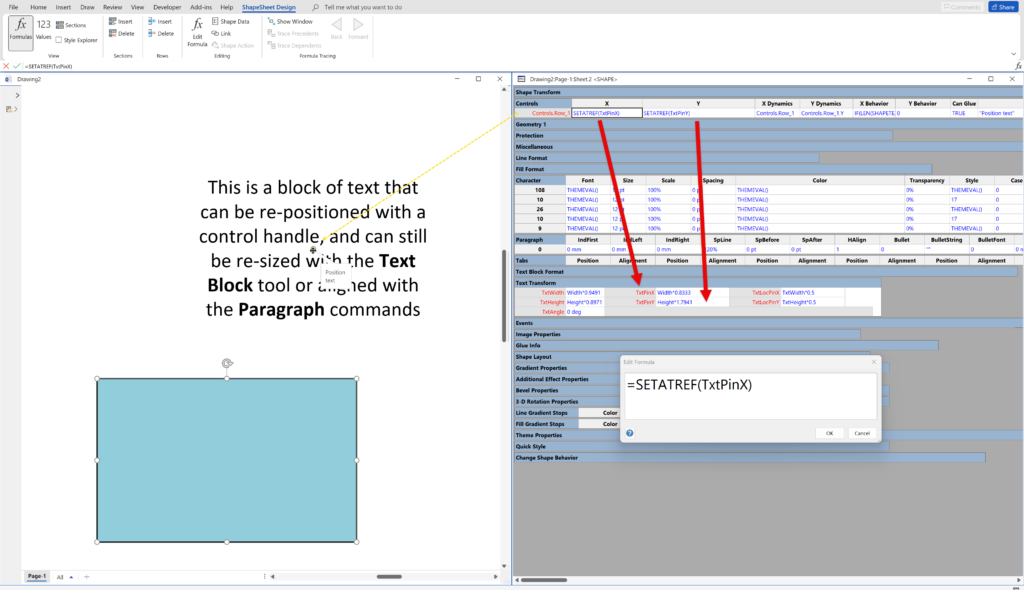
Positioning Visio Shape Text Block with a Control Handle

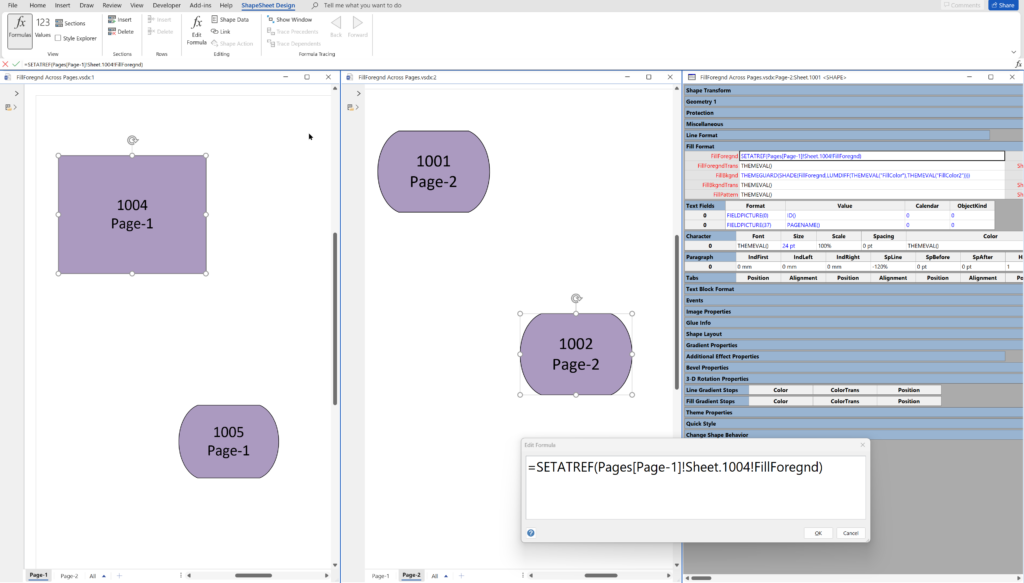
I was recently asked how a control handle can be added to a Visio shape so that it can be used to re-position the text block. Fortunately, it is extremely easy to setup, and requires just two formulas to be updated in the ShapeSheet. This is a great use of the SETATREF(…) function.

[Read more…] about Positioning Visio Shape Text Block with a Control Handle

Filed Under: ShapeSheet Formulas, Visio Tagged With: Control Handles, ShapeSheet, Text Block, Visio

Published on February 21, 2024 by David Parker

Understanding Segments of Visio Geometry

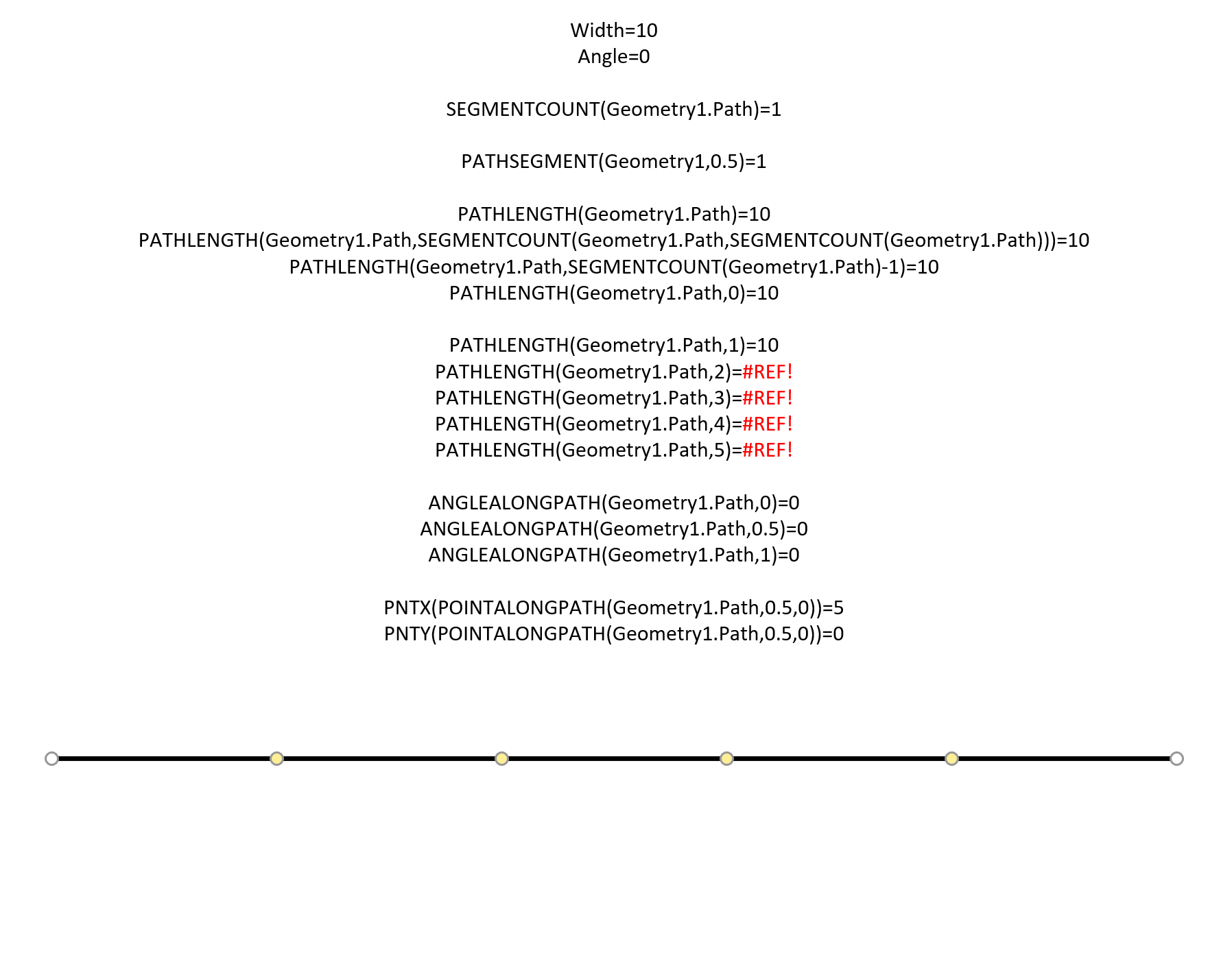
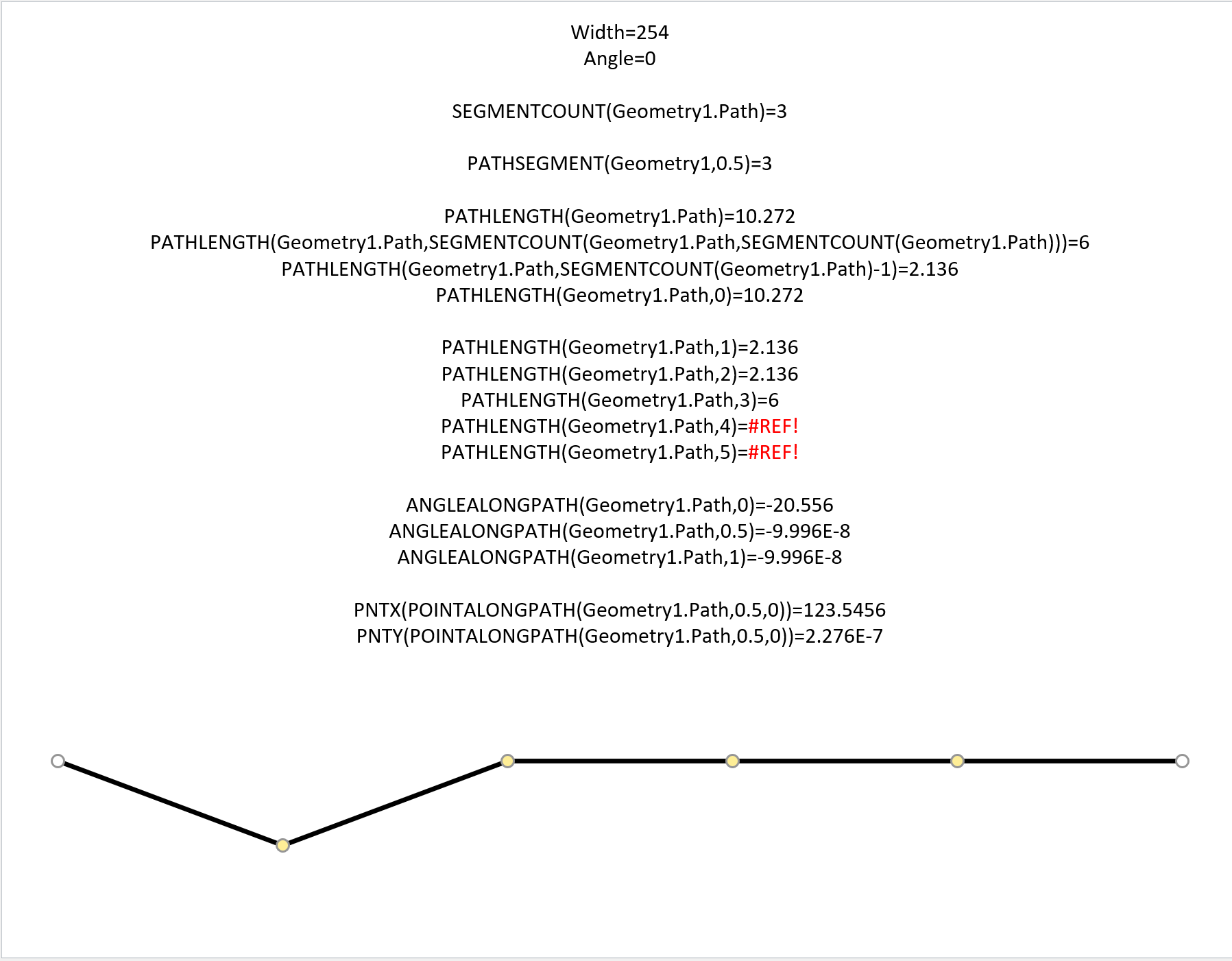
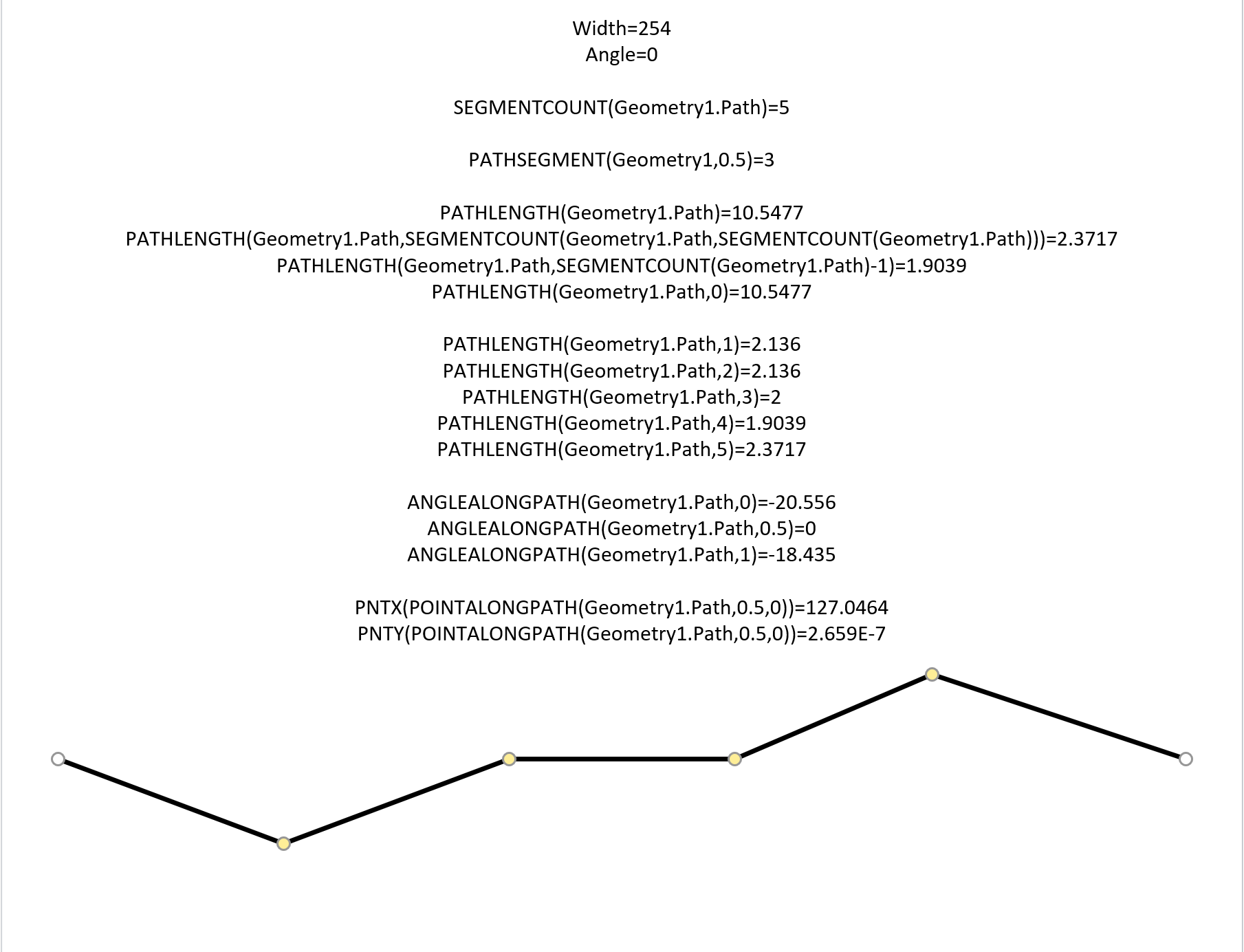
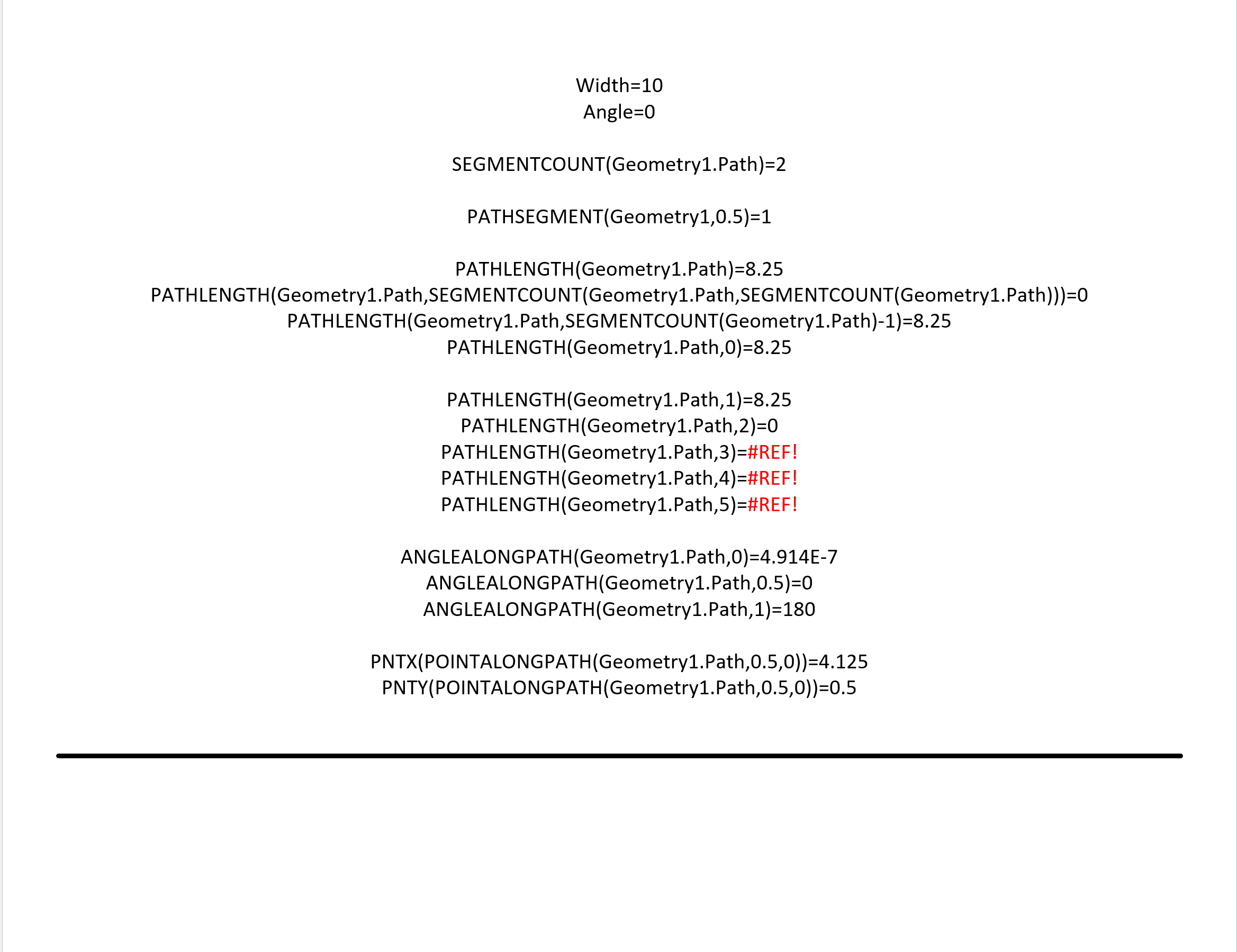
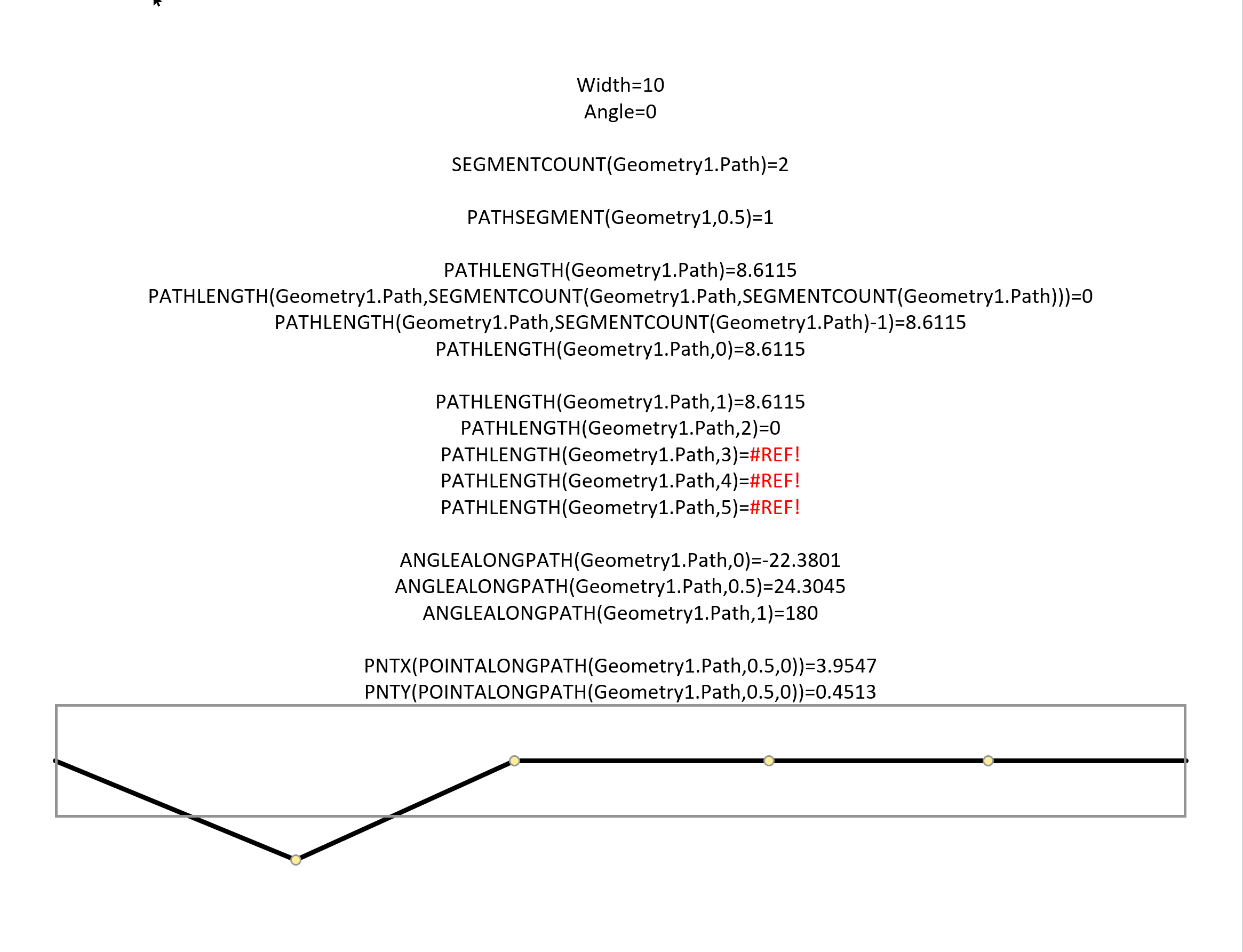
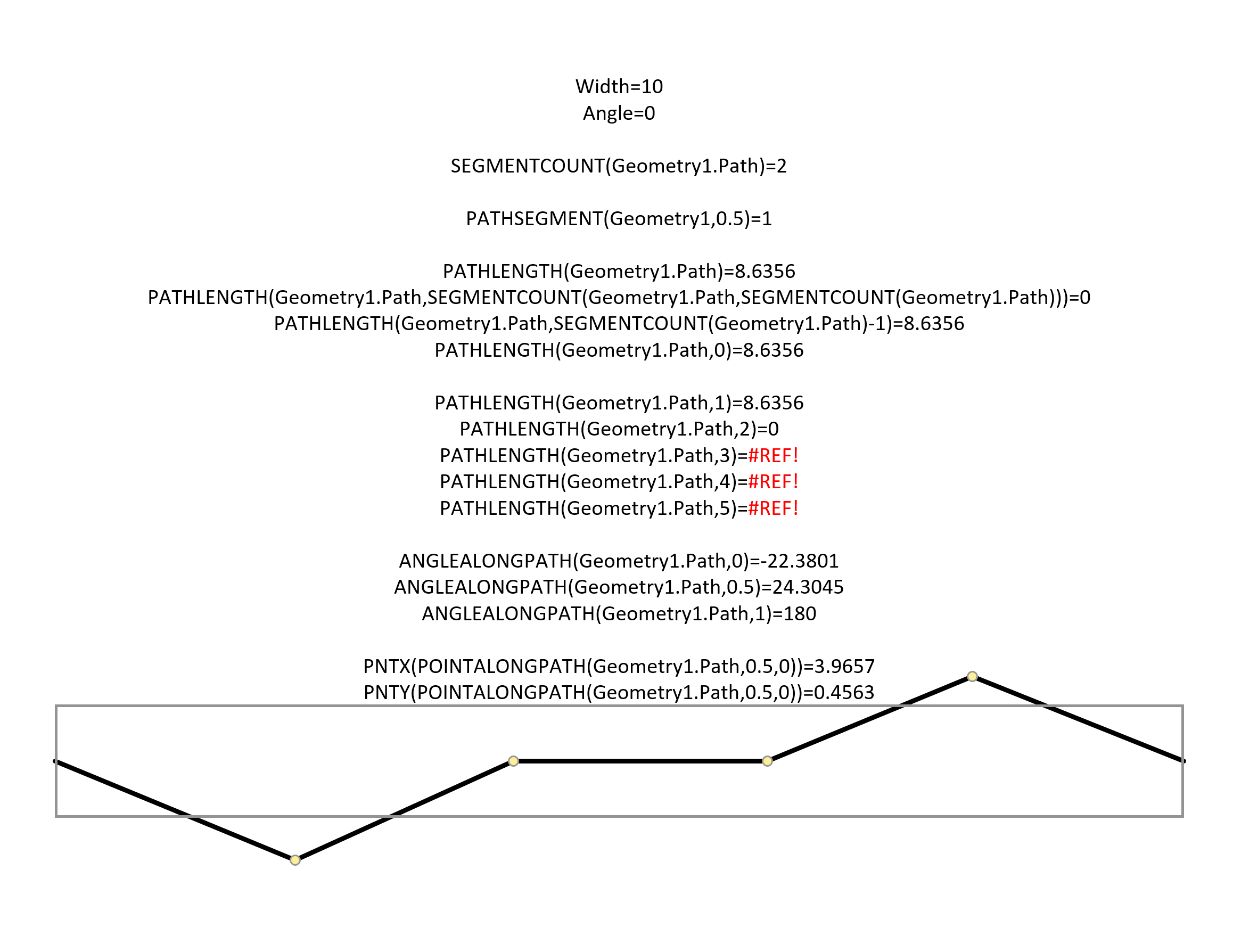
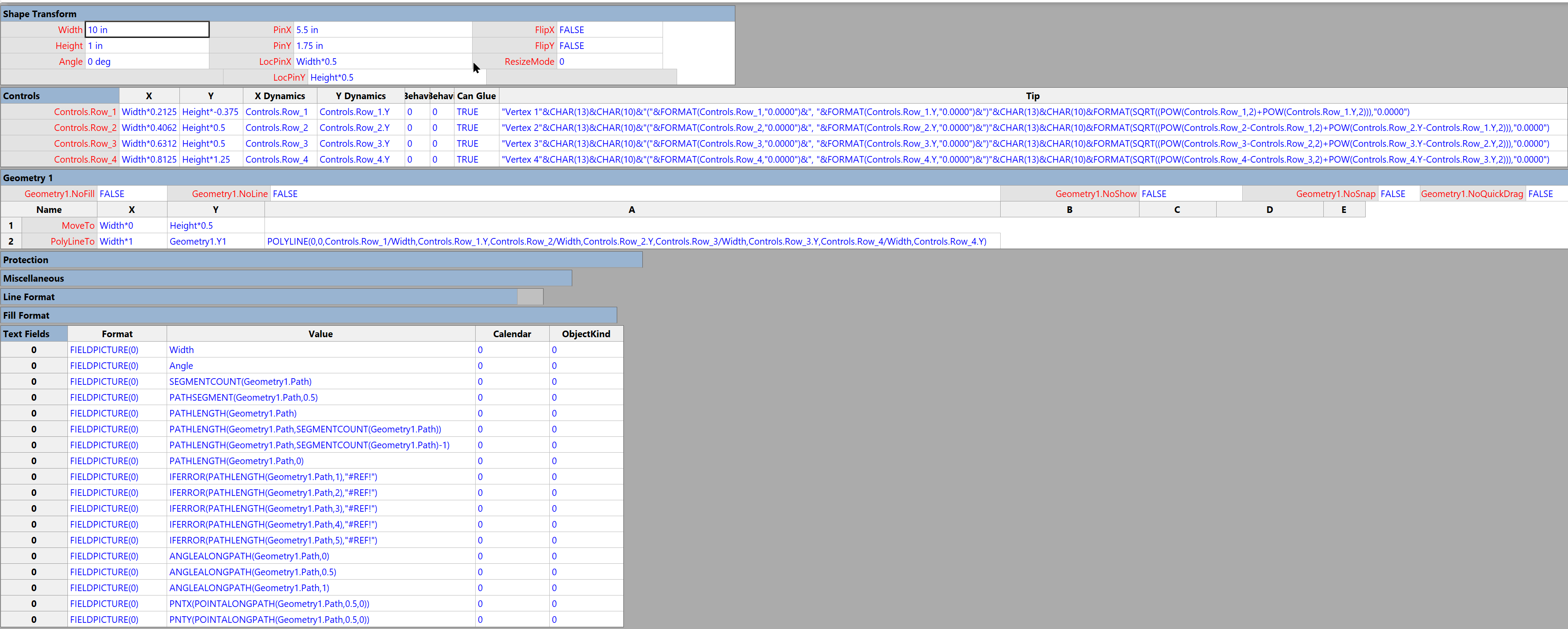
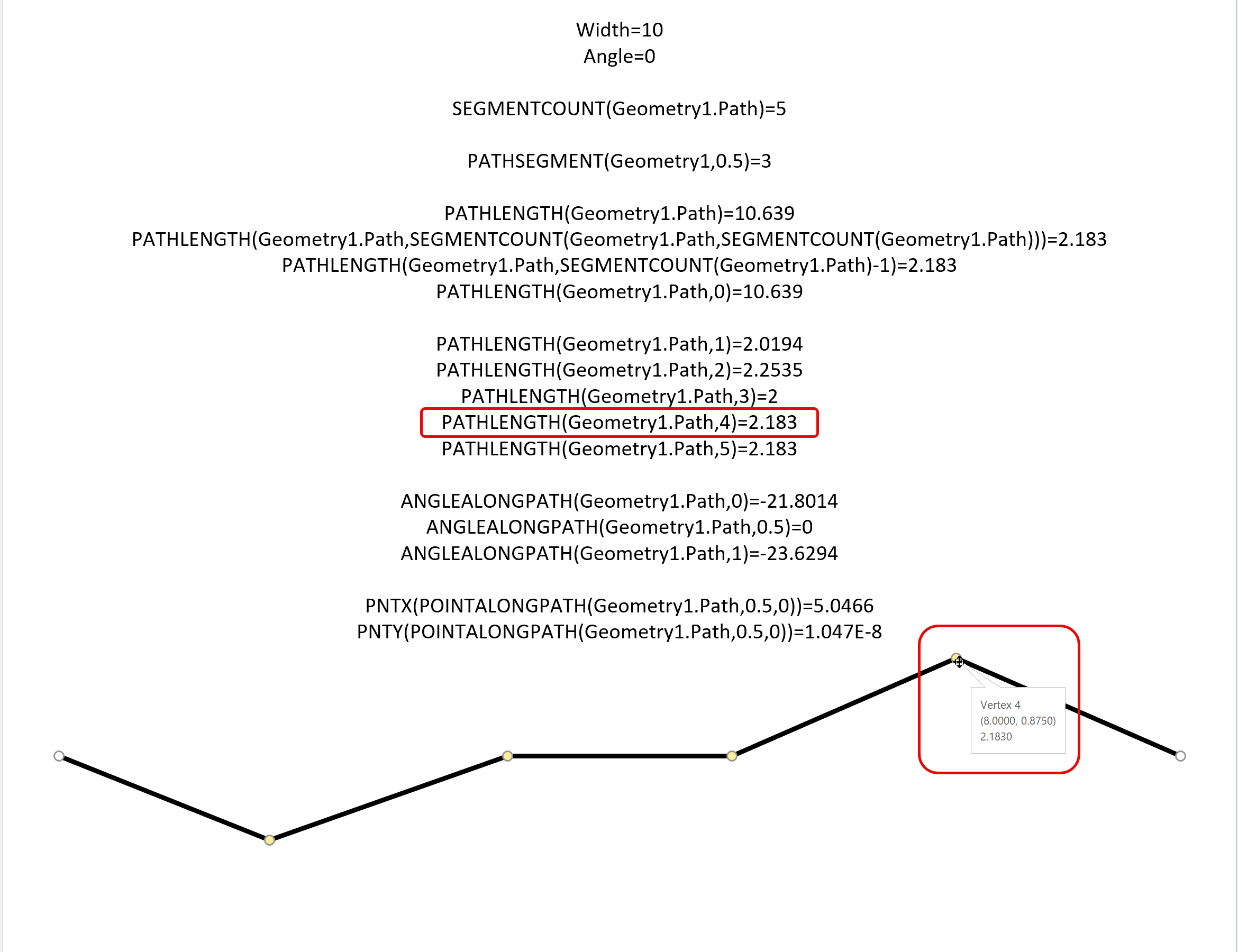
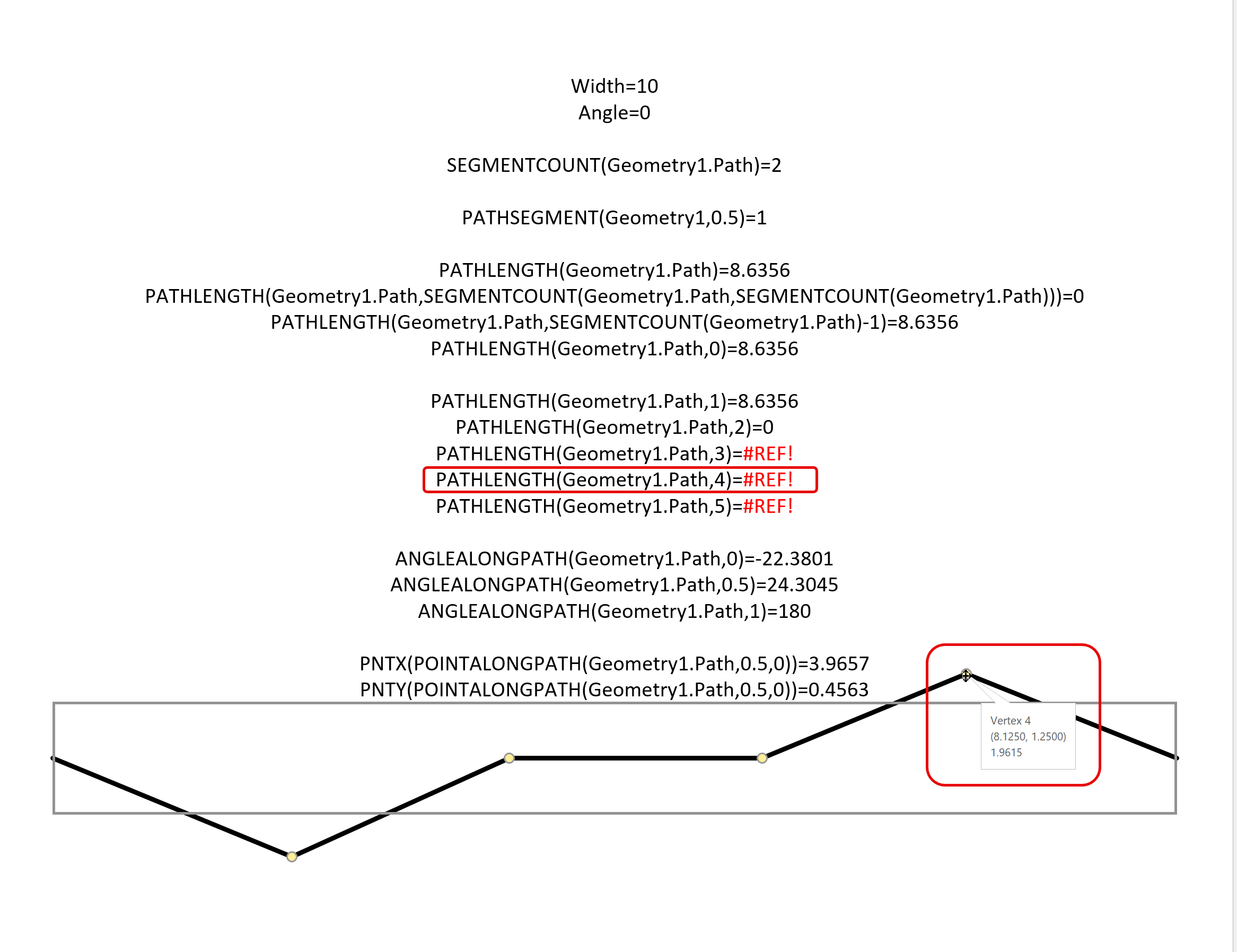
I recently had to revise my understanding of the POINTALONGPATH(…) function in Visio because I was getting a #REF! error in some cases. My particular scenario requires a line with a number of vertices that are initially all in a straight line but can be moved by dragging controls around that each vertex is bound to. My assumption had been that a segment of a path is always between vertices in a geometry section, but this is not the case. So, I thought I would look deeper into the ShapeSheet functions of paths and segments. The following screenshots show a series of ShapeSheet formulas and the result of them on a single line that has 4 vertices that can be moved using a yellow control that they are bound to. Notice how the PATHLENGTH(…) formula fails to understand the segment parameter until the vertices are moved.

  • A straight line with 4 vertices
  • Then 1 vertex moved
  • With 2 vertices moved

In case the screenshots are a little dry, I have recorded a short video to explain further.

My own need was for a boundary shape around some other shapes where I wanted to make the segments disappear if they were outside of the Visio page. The unexpected #REF! values were causing distortions because the co-ordinates were failing to update.

However, I can see that this understanding of line segments and points will be useful in many types of diagrams.

For completeness, I thought I would try the same exercise with a PolyLineTo row rather than multiple LineTo rows.

  • A straight PolyLine with 4 vertices
  • Then 1 vertex moved
  • With 2 vertices moved

The PolyLineTo formula does have the advantage of being a single row, but this means that the PATHLENGTH(…) function does not have a segment index to that can be used to calculate with. In fact a PolyLineTo row does have two segments, but the last one is always 0 length!

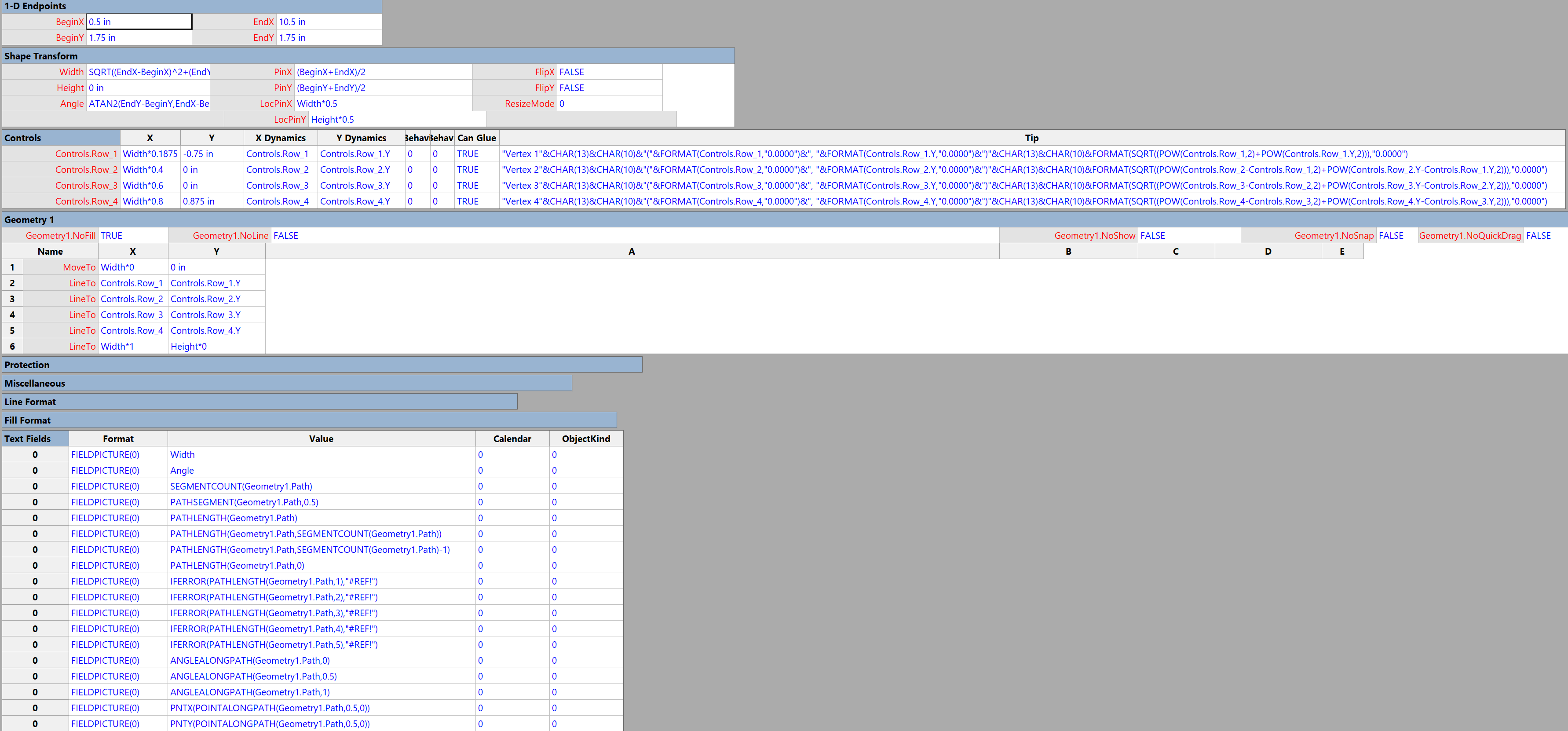
  • Muliple LineTo Geometry rows
  • A single PolyLineTo Geometry ow

However, I was able to calculate the lengths of each segment in both cases, by using the co-ordinates of the Controls in the Tip cell for each Controls row with the SQRT(…) and POW(…) functions..

  • PATHLENGTH() matches trigonometry formula for LineTos
  • PATHLENGTH() not available for PolyLineTo row

Related articles

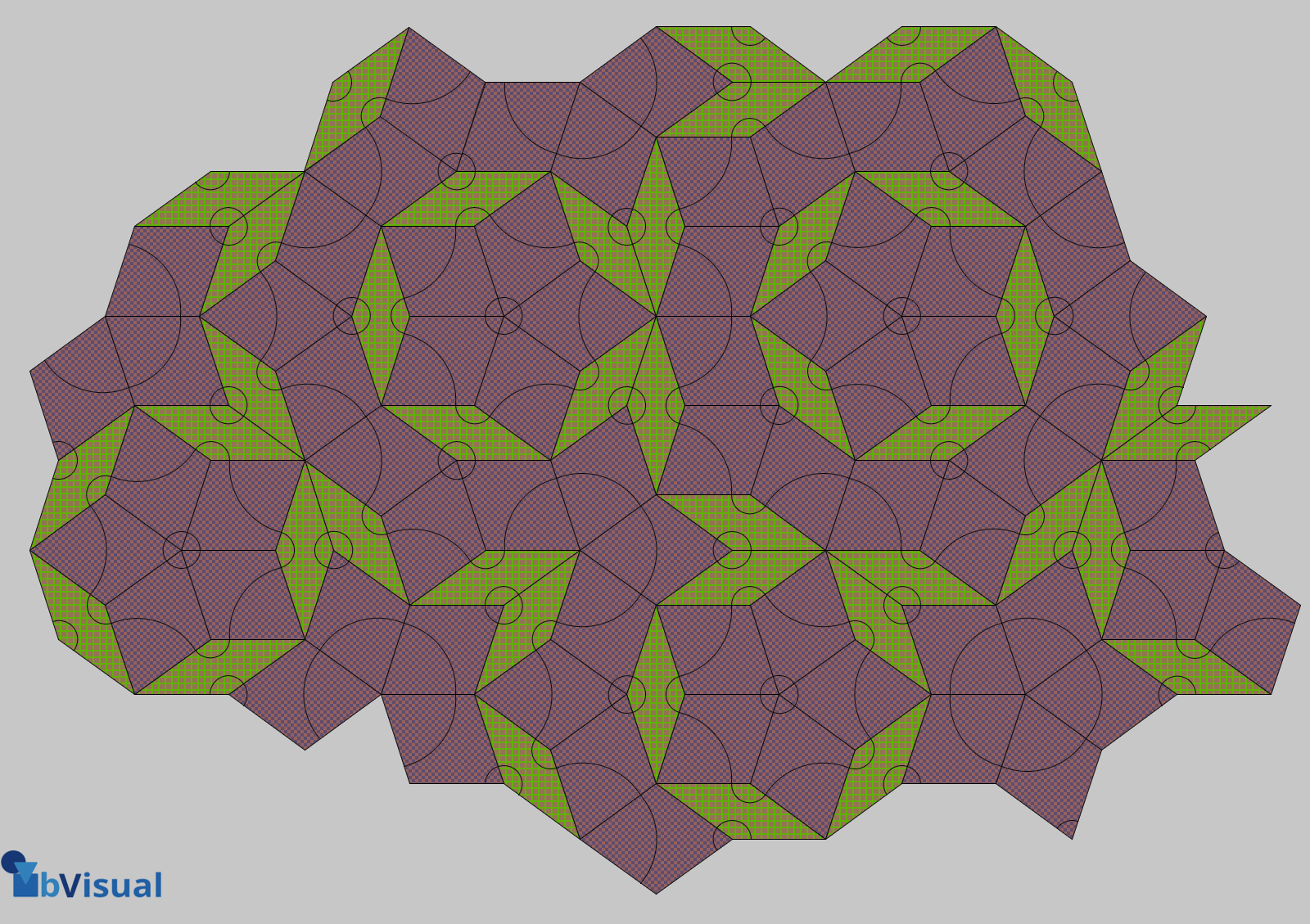
A visual exploration of Penrose Tiling in Visio

Maybe it is because I used to be a building architect, but I have always been fascinated by the relationship between numbers and visualisations. Perhaps the most famous one is the Golden Ratio which has been used as the basis of many building designs and art pieces. It is often recognised to create a harmony…

How SVG in Visio can cause a Shape.BoundingBox(…) error

I have used Visio’s Shape.BoundingBox(…) for many, many years and I cannot ever recall it failing, but I have now managed to create some shapes that cause it to error. This caused many hours of confusion, so I nearly abandoned using the method, until I discussed it with my fellow Visio MVP, John Goldsmith (see…

Jumping between Shapes in Visio

Many Visio diagrams get quite large, and sometimes it is useful to provide the ability to jump to another shape quickly in the same document, either on a different page or on the same one. Although there is an add-on provided in desktop Visio that is used by the Off-Page Reference shape provided in the…

Fixing dimensions of 2D shapes

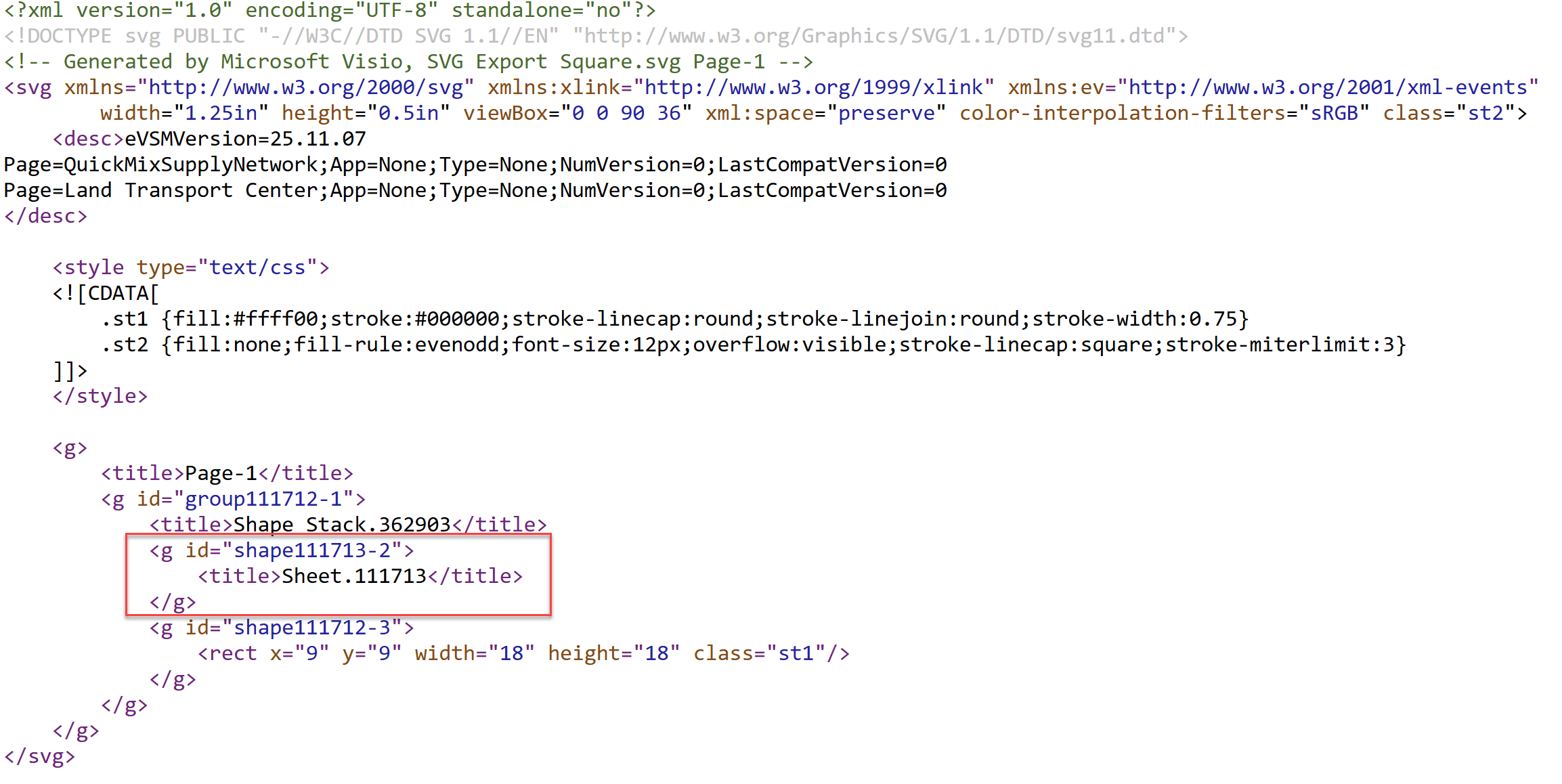
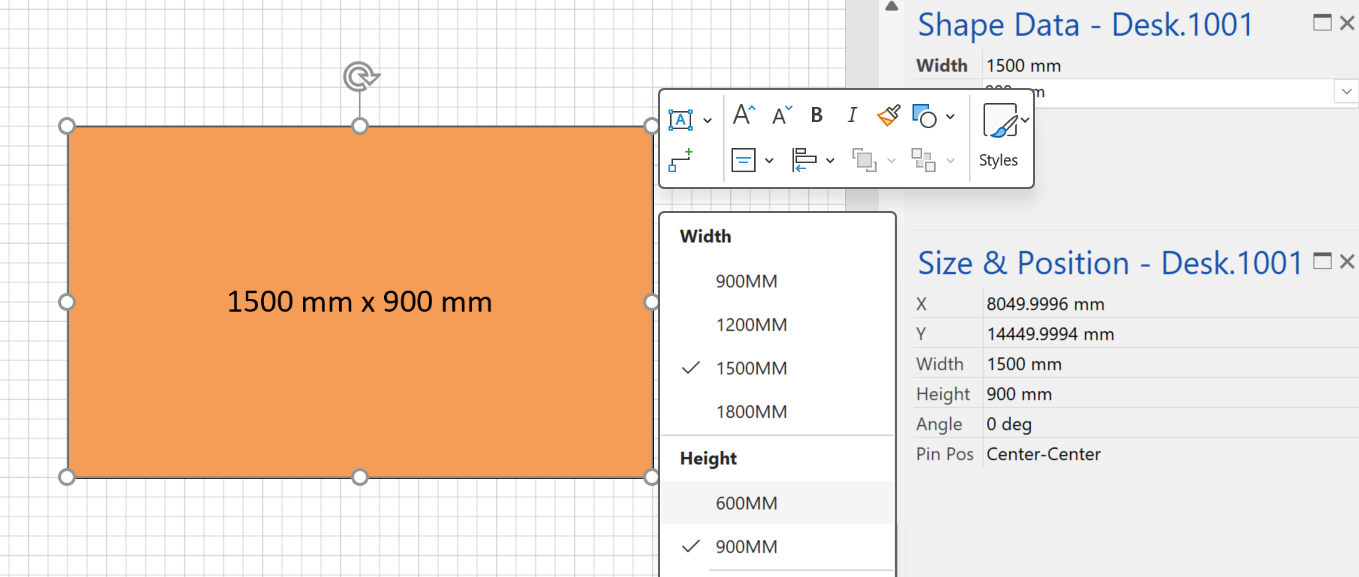
I am often asked what makes Visio unique and makes it stand out from the crowd, especially in today’s online world. Well, I think there are many reasons, but one of them is the ability to create scaled drawings with parametric components of specific dimensions. This was crucial for my adoption of Visio back in…

Smart Radio Buttons and Check Boxes in Visio

A recent project requires an interactive tutorial within Microsoft Visio desktop where a lot of the questions need a single answer using radio buttons, or multiple-choice answers using check boxes. I thought that this would be a great use of the list containers capability because the questions and answers could be part of the container…

Using Button Face Ids in Visio

Microsoft Visio desktop has the ability to display icons from a built-in list of Office icons on Actions and Action Tags (nee Smart Tags). These can be set in the ShapeSheet by using the desired number from several thousand in the ButtonFace cell. Although there is the ability to add better icons using code, the…

Filed Under: Shape Design, ShapeSheet Formulas Tagged With: ShapeSheet, ShapeSheet Functions, Visio

Published on April 9, 2023 by David Parker

Understanding Visio Data Graphic’s Color by Value

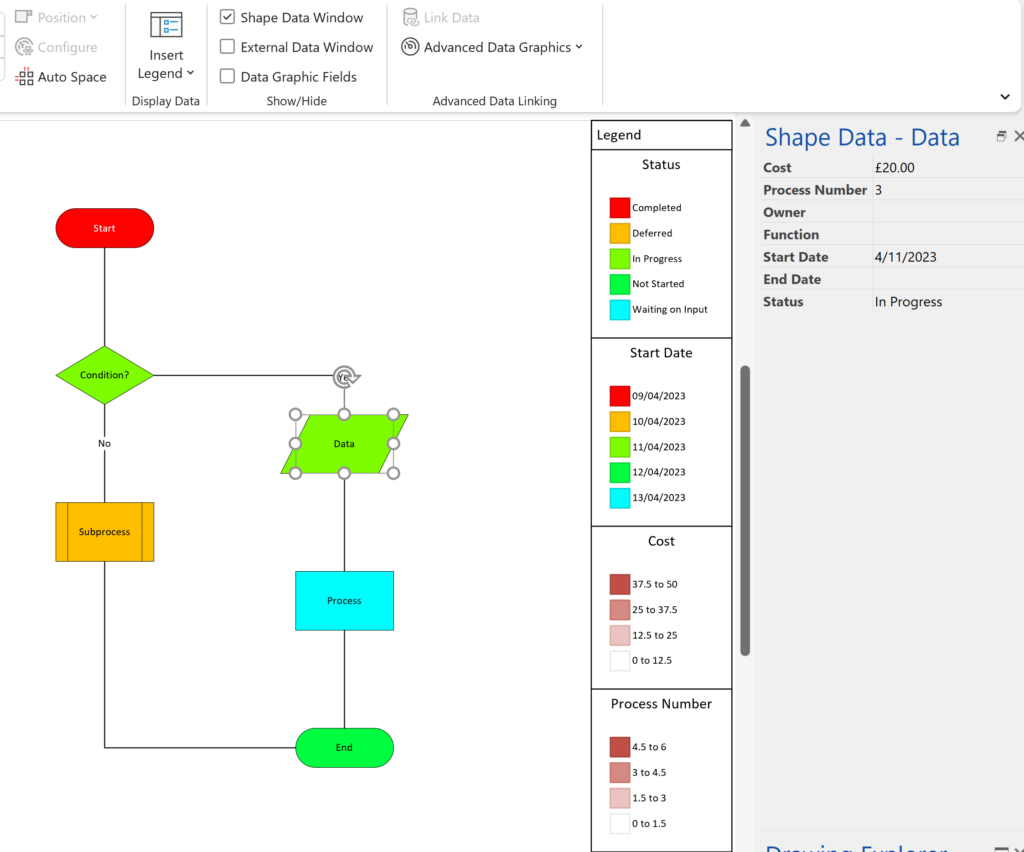
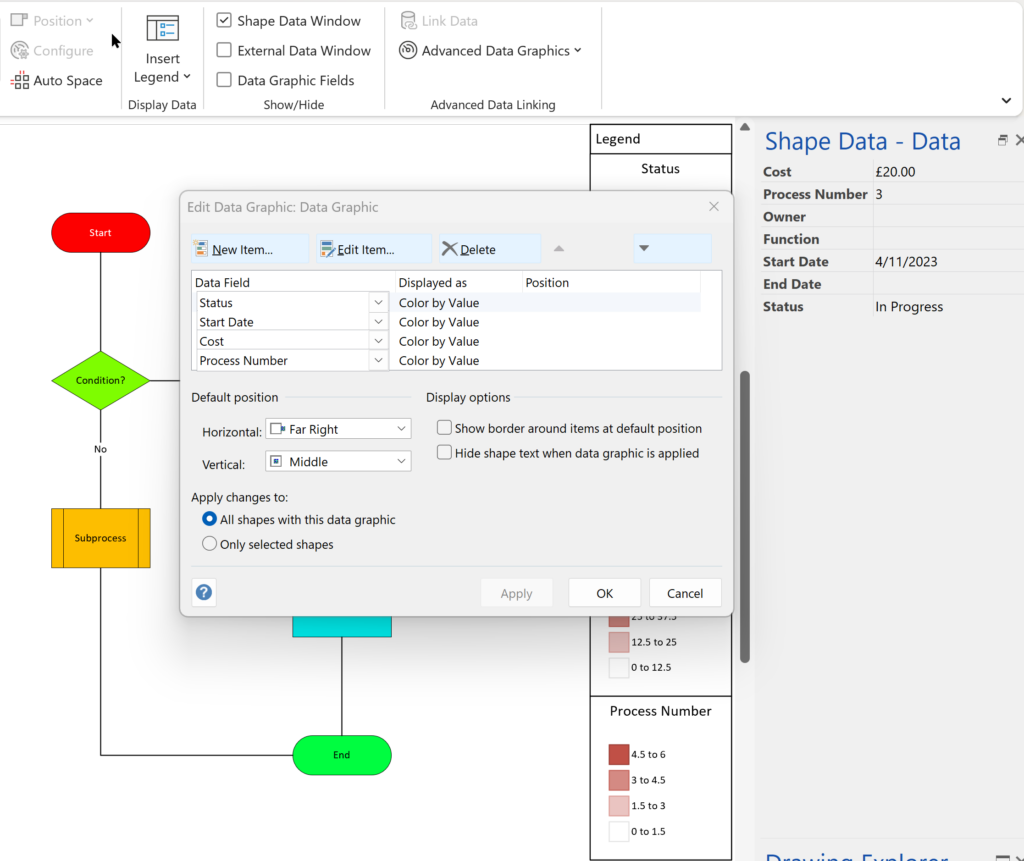
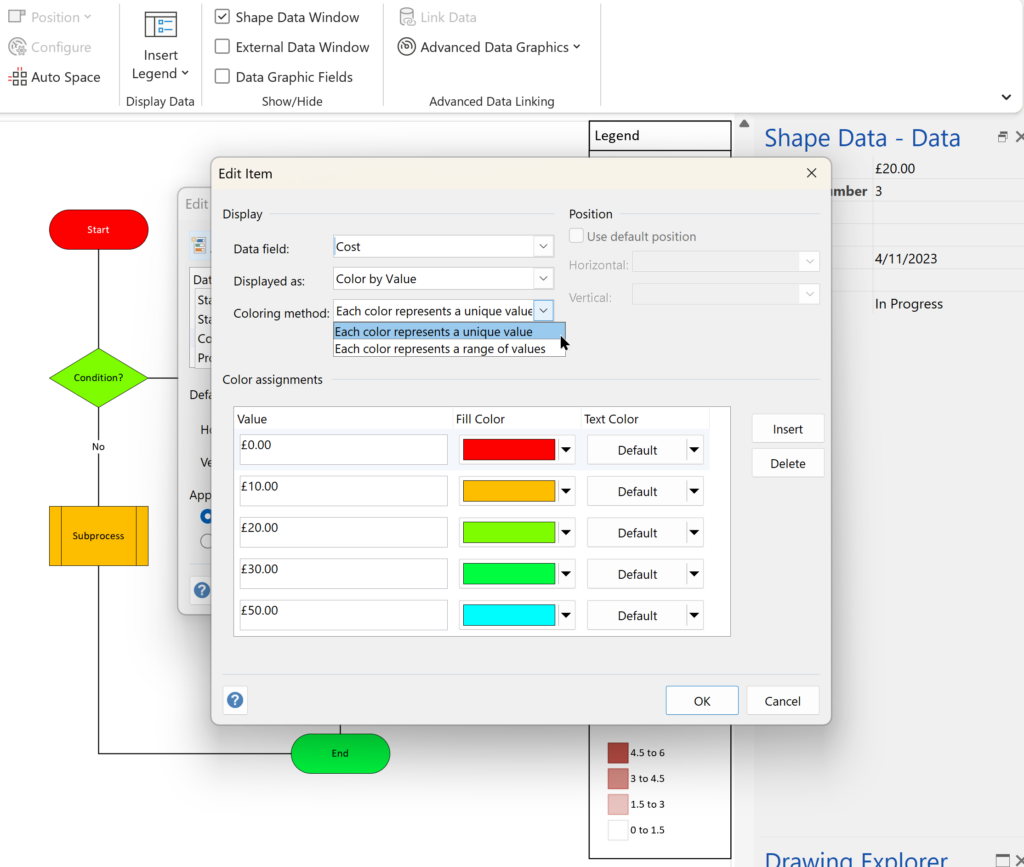
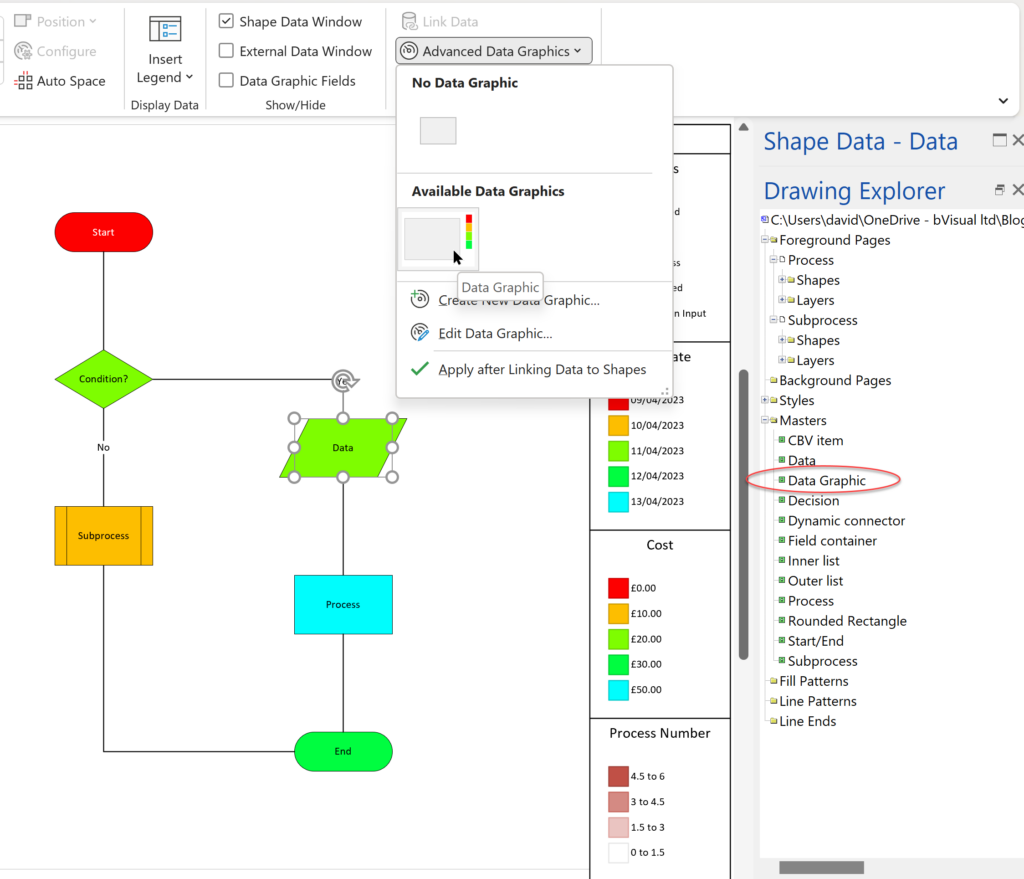
The desktop Visio editions, Visio Professional and Visio Plan 2, have a great way of automatically displaying data as Data Bars, Icon Sets, Text Callouts and Color by Value. The first three types of Data Graphics require sub-shapes to be inserted into each shape that they are applied to, but the last one, Color by Value (CBV), merely requires some User-defined Cells and formulas. However, unlike the first three, there can be only one Shape Data value displayed as colours in each Data Graphic (DG). So, how can we easily update the colour assigned to each value using code, rather than manually using the manual dialogs provided?

  • One Data Graphic with 4 CBVs
  • The first in the list is applied
  • Numeric data can have two types of CBV
  • Locating the Data Graphic master
[Read more…] about Understanding Visio Data Graphic’s Color by Value

Filed Under: Data Graphics, ShapeSheet Formulas, Visio for Desktop, Visio Plan 2 Tagged With: Data Graphics, ShapeSheet, Visio

Published on September 28, 2022 by David Parker

Setting Theme defaults in Visio

I was recently asked how to change the default font size and line weight in Visio, and then saw then many others are asking the same sort of question. I found one reasonable answer suggesting that you should create a new document from your required template, then edit the Styles to suit, and then save as a new personal template. Well, I am not sure I like that answer because it means you must create a duplicate template for each one you use. So, I decided to see if I could find a better way…

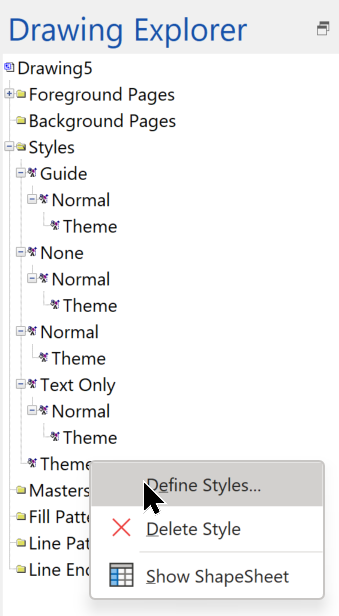
Firstly, it is important to know that these default settings are not editable for the whole Visio application, because they are stored in each document, under the Styles collection. You can view the Styles in a document using the Drawing Explorer window that can be opened from the Developer tab.

Select Define Styles in the Drawing Explorer window
[Read more…] about Setting Theme defaults in Visio

Filed Under: ShapeSheet Formulas, Styles, Themes, Visio Tagged With: ShapeSheet, Styles, Visio

Published on March 9, 2022 by David Parker

Making Custom Shapes for Visio for M365

I recently revised my chess and checkerboard Visio documents to work in Visio for the Web (Visio Plan 1), but now that Microsoft are providing a version of Visio free to M365 business users, I need to make some further adjustment to get them to work for these users who do not have a Visio Plan 1 or Plan 2 license. The problem is that Microsoft restricts the capabilities of the free version by white-listing Visio masters. So, the answer is to delete the masters … then the Visio document becomes editable in Visio for M365!

So, what is the downside?

[Read more…] about Making Custom Shapes for Visio for M365

Filed Under: Visio, Visio for M365 Tagged With: ShapeSheet, Visio, Visio for M365, Visio for the Web

Published on January 28, 2022 by David Parker

Understanding Morse Clicks with Visio

A few years ago, I wrote an article about messaging and encryption inspired by a visit to the National Museum of Computing in the UK. I developed a Morse Click shape to demonstrate how Visio can be used to represent and learn Morse Code. However, I never published the shapes here, and my good friend John Marshall recently wrote an article about Braille in Visio, so I thought I should explain how I made the Morse Click shapes, and I took the opportunity to enhance the shapes with some accessibility features that I have learnt since I originally designed them. I have also changed the shapes to be Visio Web friendly, which means, for example, removing shape effects.

I think I learnt Morse Code as a Cub Scout, but forgotten it in the half-century since. Its evolution, and its use today still makes very interesting reading. Each letter comprises of between one and four short or long clicks, whilst each number has five such clicks. Generally, the most used letters have lesser clicks, with ET being the lowest number, presumably to save an extra terrestrial money on a phone call home!

  • Number of Clicks per Character
  • With page Shape Data Hide Text = False

There are just two master shapes of interest here, Morse Click and Morse Click Rack, and a couple of page Shape Data rows. The Morse Click shape can be anyone of the 36 characters with a simple Shape Data value change, whilst the Morse Click Rack is a list shape and can spell out the words of up to 26 Morse Click shapes within it.

[Read more…] about Understanding Morse Clicks with Visio

Filed Under: Containers, Games, Lists, Shape Data, ShapeSheet Formulas, Visio Tagged With: Accessibility, Morse Code, Shape Design, ShapeSheet, Visio

  • « Go to Previous Page
  • Page 1
  • Page 2
  • Page 3
  • Page 4
  • Interim pages omitted …
  • Page 8
  • Go to Next Page »

Primary Sidebar

  • LinkedIn
  • Twitter

Recent Posts

  • Installing Visio Templates and Stencils
  • Creating a Dynamic connector master automatically
  • A visual exploration of Penrose Tiling in Visio
  • How SVG in Visio can cause a Shape.BoundingBox(…) error
  • Post-Processing Paste from Clipboard in Visio

Categories

Tags

Accessibility Add-Ins AdvancedInstaller Connectors Containers Data Export Data Graphics Data Import Data Visualizer Educational Excel GraphDatabase Hyperlinks Icon Sets JavaScript LayerManager Layers Legend Link Data to Shapes MSIgnite Office365 Org Chart PowerApps PowerBI PowerQuery Processes Setup and Deployment Shape Data Shape Design ShapeSheet ShapeSheet Functions SharePoint 2013 SQL Teams Validation VBA Video Visio Visio 2007 Visio for the desktop Visio for the Web Visio Online Visio Services Visio Viewer Webinar

Footer

bVisual Profile

The UK-based independent Visio consultancy with a worldwide reach. We have over 25 years experience of providing data visualization solutions to companies around the globe.

Learn more about bVisual

  • Amazon
  • E-mail
  • Facebook
  • LinkedIn
  • Twitter
  • YouTube

Search this website

Recent posts

  • Installing Visio Templates and Stencils
  • Creating a Dynamic connector master automatically
  • A visual exploration of Penrose Tiling in Visio
  • How SVG in Visio can cause a Shape.BoundingBox(…) error
  • Post-Processing Paste from Clipboard in Visio

Copyright © 2026 · Executive Pro on Genesis Framework · WordPress · Log in